

|
Getting your Trinity Audio player ready...
|
PRESS RELEASE.
Sign up to join the 30th annual Western Monarch Count (WMC), a Xerces Society initiative that tracks western monarchs and their overwintering habitat.
Registration closes on October 17th, 2026 for multiple counties. Register soon if you plan to participate this fall through winter. Monitoring periods are posted below, and volunteer information can be found at WesternMonarchCount.org/volunteer.
- Early-season: Oct. 17 – Nov. 1, 2026
- Mid-season: Nov. 14 – Dec. 6, 2026
- Late-season: Dec. 26, 2026 – Jan. 10, 2027
Volunteers and funders are the beating heart of this project.
This season marks a incredible achievement: three decades of community-powered data collection! Without your ongoing support, this effort wouldn’t be possible. A huge THANK YOU to everyone who has contributed over the years, and cheers to kicking off this upcoming season.
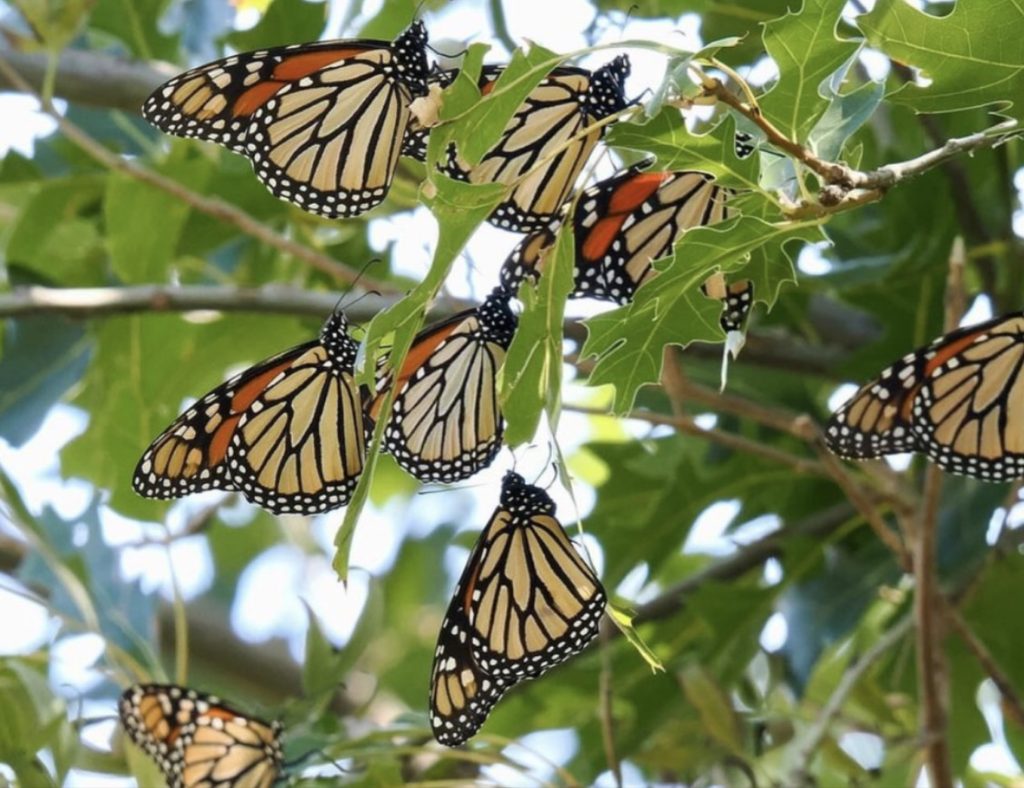
(Below) Monarchs aggregate on an oak tree. Credit: Xerces Society.
Commitment
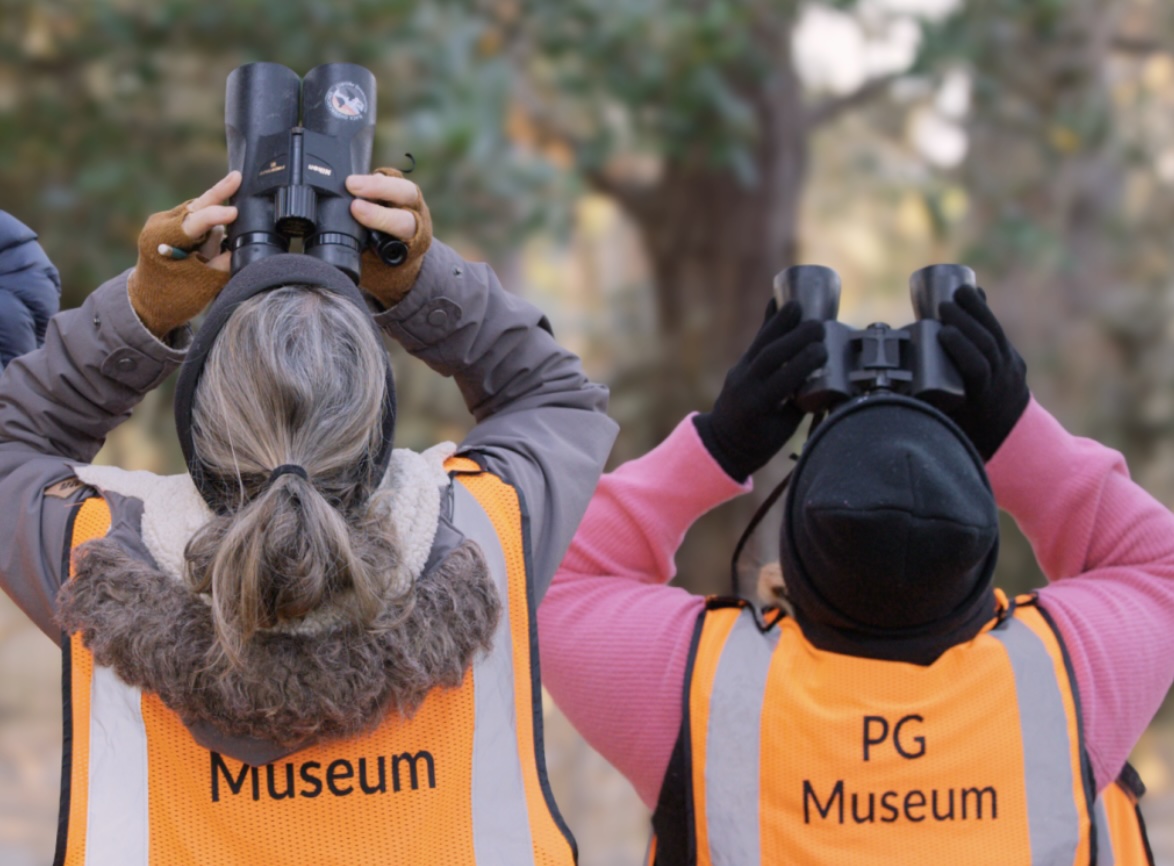
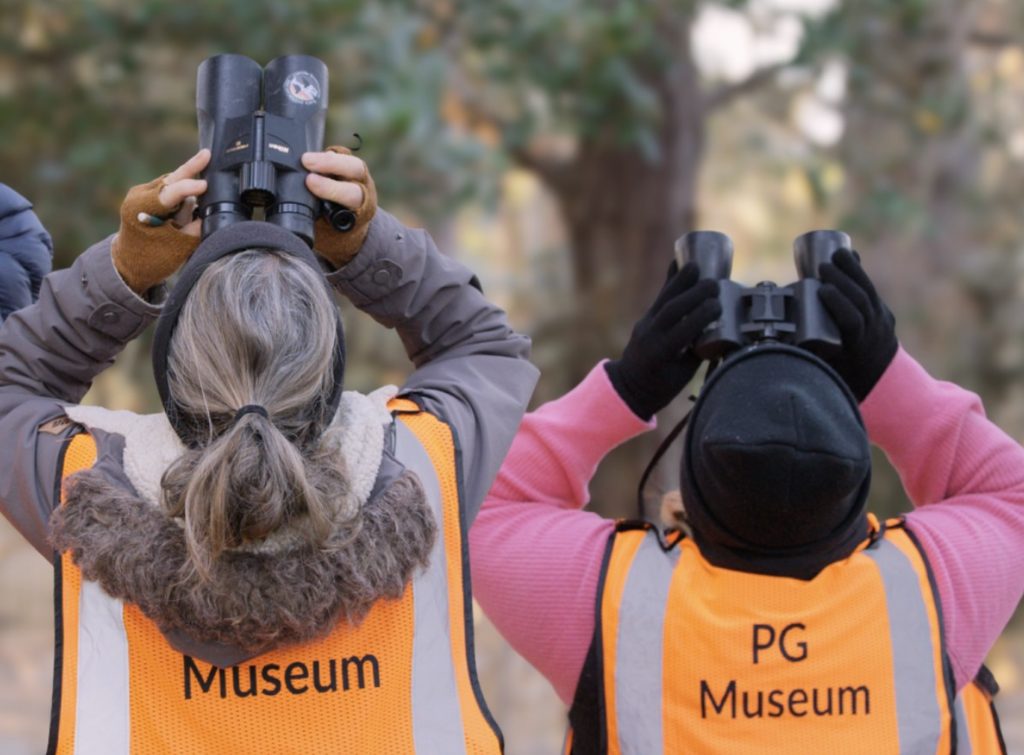
The Western Monarch Count (WMC) is an intensive community science project geared for participants who can commit a minimum of 12 to 15 hours each fall and winter. Volunteers must attend virtual and in-person field training, provide personal transportation, follow survey protocol, navigate uneven outdoor terrain, and submit data electronically using a smartphone, tablet, or computer.
We kindly ask that you evaluate your capacity prior to signing up. Review our Monitoring Guide and FAQ to evaluate whether this project aligns with your schedule and interests. If it seems like a good fit, we would love for you to join!
Responsibilities
As a volunteer, you will conduct routine surveys at an assigned monarch overwintering site between October and January. New volunteers (in their first few years) will survey as part of a local team of two or more participants. The in-person field training workshops provide great opportunities to connect with fellow volunteers and form local monitoring groups. View events.
Monarch Sightings Are NOT Guaranteed!
Some overwintering sites host butterflies each year, while others are used irregularly or as temporary stopover habitat during migration. Collecting data at as many sites as possible—regardless of monarch activity—is critical to understanding population and habitat trends. To set expectations, review your site’s history on our map or data page, or request a site-specific report from your regional coordinator.
Tours & Public Viewing
Explore public viewing sites where you can observe overwintering monarchs at your own pace. No volunteering necessary! Many groves offer free, docent-led tours, and accessibility details are often available on each grove’s website.
Volunteer Safety
You are responsible for your own safety and emergency planning while participating in all WMC activities. As with any outdoor fieldwork, take appropriate precautions to support your safety and well-being. While we hope that your time in the field is trouble-free, it’s important to be prepared. Consider the following tips:
- Bring enough water and food to support your time in the field.
- Prepare for changing or adverse weather conditions.
- Carry an emergency kit in your backpack or vehicle.
- Designate an emergency contact and let them know when, where, and with whom you’ll be surveying.
Code of Conduct & Liability
The Xerces Society is committed to promoting and maintaining an environment in which all volunteers are treated with respect and dignity. In efforts to establish clear expectations and promote civil, cooperative and risk-informed participation in WMC volunteer activities, the Xerces Society developed the following Code of Conduct and Release and Waiver of Liability forms that apply to all volunteers.
Western Monarch Count volunteers are required to formally acknowledge and agree to the terms and conditions of the following two documents in the annual volunteer registration form:

Author: mdrag
x


While you are at it, join the Xerces Society and learn a bit about the invertebrates that keep the natural world going.