

|
Getting your Trinity Audio player ready...
|
PRESS RELEASE. From Caltrans regarding the State Route 1 Multi-Asset Roadway Rehabilitation Project, on January 27th, 2026.
The use of Temporary Concrete Barriers, commonly referred to as K-Rail, is a critical component of the SR-1 Rehabilitation Project (0Q1304). These barriers serve a dual purpose: they safeguard construction workers from live traffic and also protect the traveling public from hazards associated with ongoing construction activities. In response to many inquiries from the public living and commuting along Highway 1, we’ve developed answers to these frequently asked questions.
What are the primary functions of K-Rail?
K-Rail acts as a robust barrier that shields construction workers from the dangers posed by active traffic. This ensures that the workforce can operate in a secure environment, minimizing the risk of accidents and injuries. The barriers also serve to protect motorists and pedestrians from the potential dangers that arise from construction activities. By clearly demarcating construction zones, K-Rail helps prevent accidental entry into hazardous areas.
Where and when will K-Rail be placed during this project?
K-Rail is strategically placed and picked up at multiple locations to minimize traffic disruptions and reduce lane closures. K-Rail will be in place for various durations depending on the specific location and type of work being performed. In areas where only concrete work is required, the barriers will be removed once the walkways are complete and safe. However, in locations near signalized intersections, K-Rail is expected to remain on-site until late 2026.
K-Rail is not aesthetically pleasing. Can Caltrans limit its use?
While K-Rail may not be visually appealing, its use is temporary and essential for maintaining safety during construction. The primary focus is on ensuring the safety of both workers and the public. To optimize the use of K-Rail, we will:
streamline construction activities, accelerating where feasible, so that the need for extensive K-Rail deployment is reduced.perform some work under traffic control during nighttime hours when traffic is lighter to lessen the impact on daily commuters.divide construction areas into multiple phases to allow for the progressive removal of K-Rail as sections of the work are completed and deemed safe.
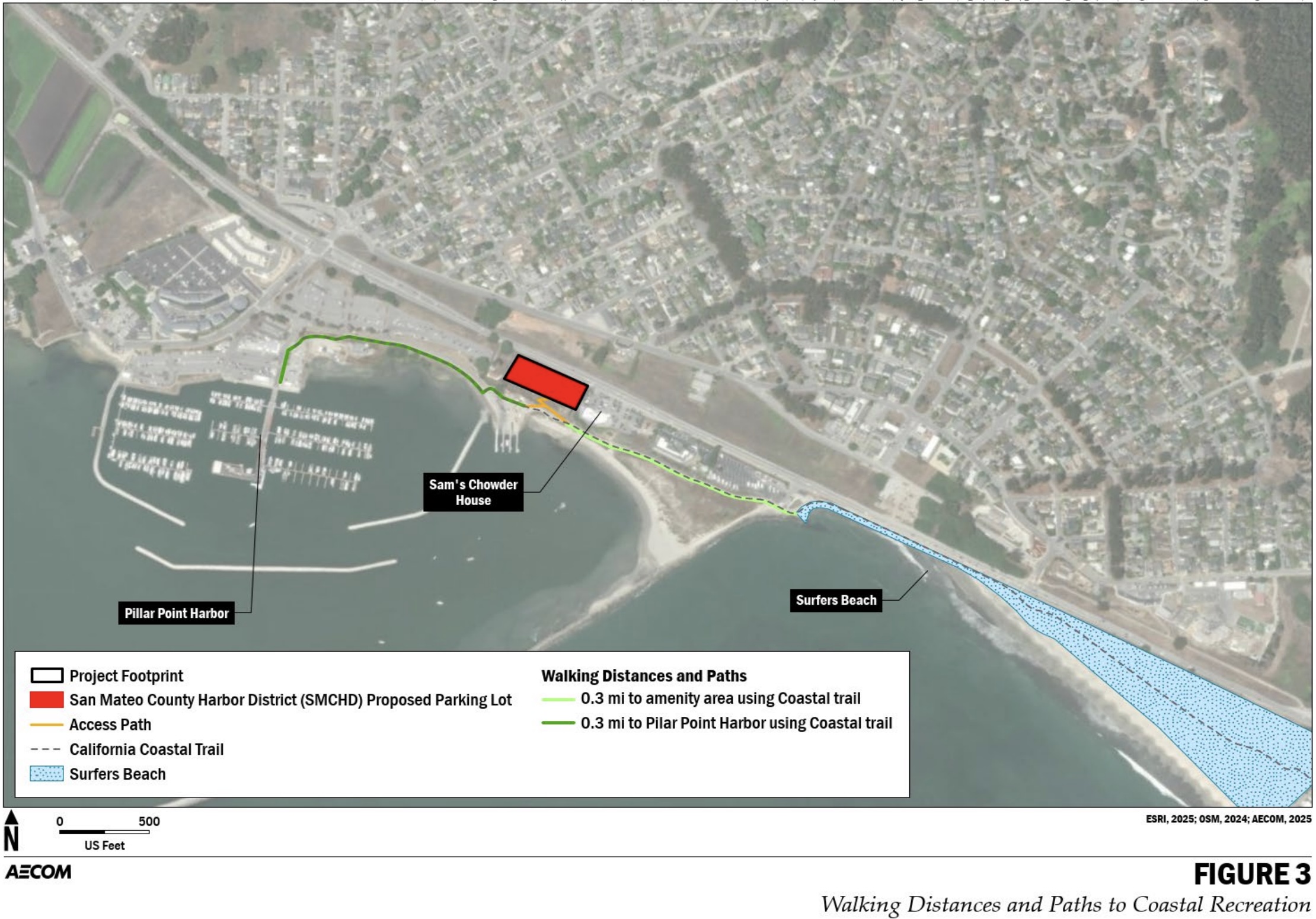
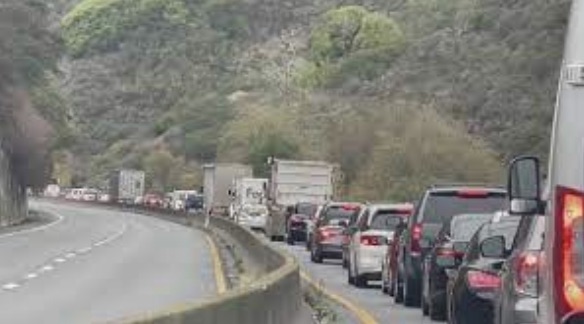
Examples of K-Rail placements protecting pedestrians, drivers, and workers.
  |   |
About the Project
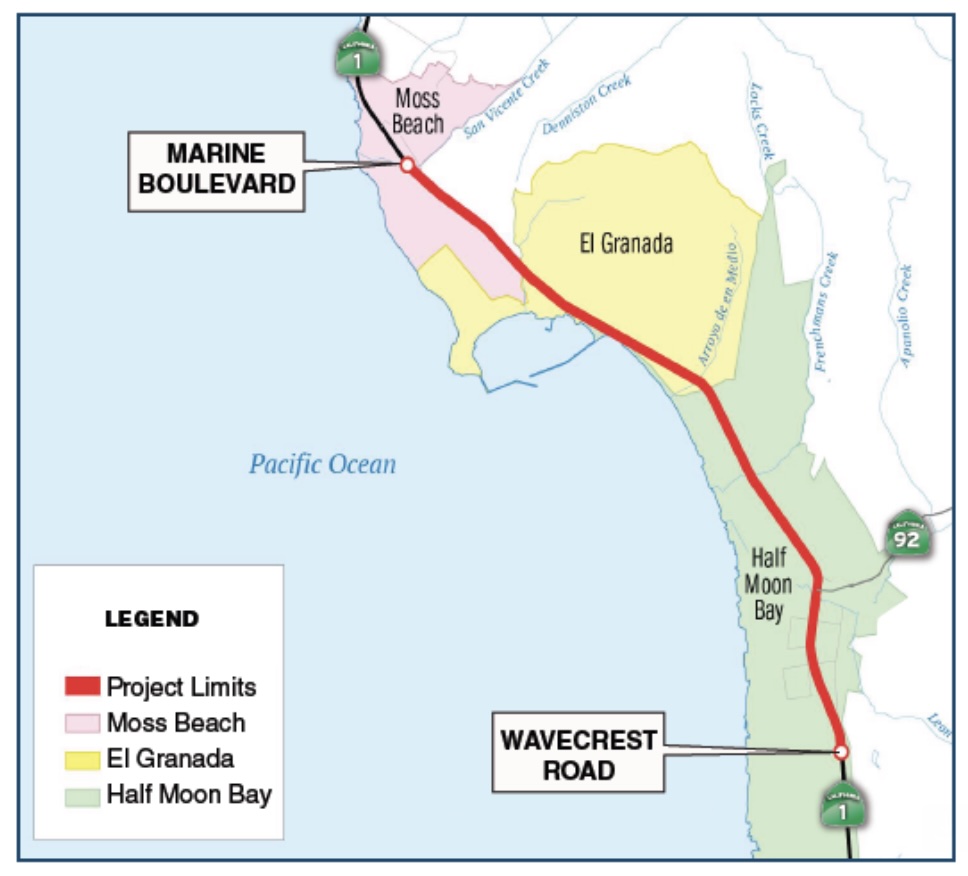
Known as the SR-1 Multi-Asset Roadway Rehabilitation Project, the $46.7M project encompasses upgrading assets (such as pavement, guardrails, curbs, and crosswalks) that are nearing the end their service lives. Assets will be brought up to ADA standards, and Class II bike lanes will be added to both the north- and south-bound sides of the roadway. The project will continue through the summer of 2027. To learn more, visit the project website.
This work is funded by the State Highway Operation and Protection Program (SHOPP). SHOPP is the State Highway System’s “fix-it-first” program that funds the repair and preservation on the state’s highway system.
All work is weather dependent. Please drive with caution. Thank you for your patience as we work to maintain our state’s highways, bridges, and tunnels.
For real-time traffic, click on Caltrans QuickMap: http://quickmap.dot.ca.gov/

More on the Caltran State Route 1 Multi-Asset Roadway Rehabilitation Project on Coastside Buzz

Author: mdrag
x