
|
Getting your Trinity Audio player ready...
|
PRESS RELEASE. From Thrive Alliance and Silicon Valley Council of Nonprofits (SVCN) March 18th, 2026.
READ FULL REPORT
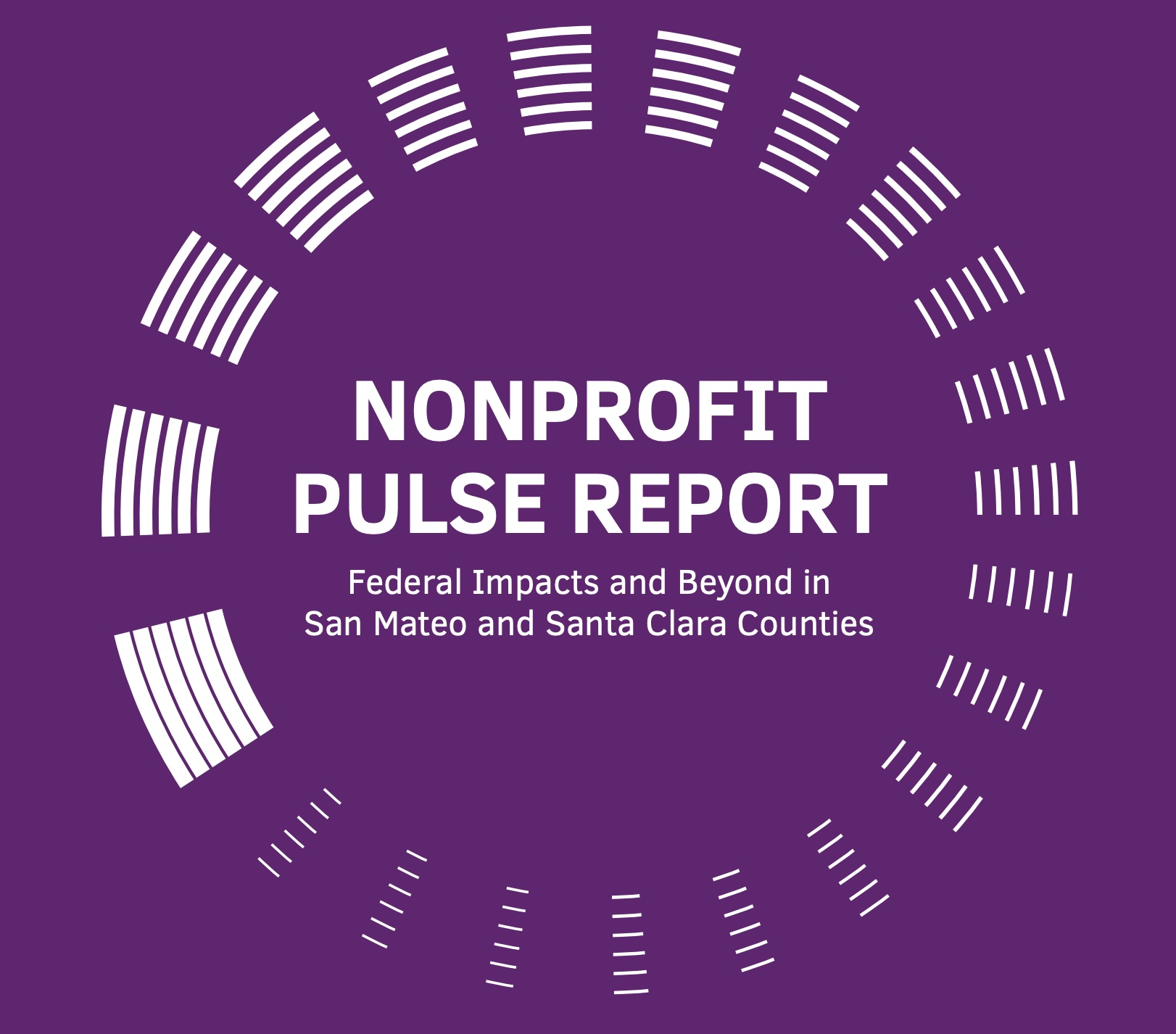
Silicon Valley Council of Nonprofits (SVCN) and Thrive Alliance today released the 2026 Nonprofit Pulse Report: Federal Impacts and Beyond in San Mateo and Santa Clara Counties, a new regional report documenting how federal policy changes and funding instability are affecting the nonprofit sector and the communities it serves.
Based on a survey of 164 nonprofit leaders conducted between September 15 and October 7, 2025, the report provides one of the first comprehensive snapshots of how national policy shifts are reshaping nonprofit operations, finances, and service delivery across the region. Responding organizations span all major nonprofit subsectors, with the largest share representing human services organizations on the frontlines of meeting basic community needs.
The findings reveal a sector navigating multiple converging pressures: rising demand for services, worsening financial conditions, workforce strain, and growing administrative complexity tied to federal policy changes.
Among the report’s key findings:
- More than four in ten nonprofits report worsening financial health compared to last fiscal year.
- Nearly 80% report increased demand for services, while many say programs have not expanded enough to meet the need.
- Nearly four in ten organizations have already faced challenges accessing promised federal funds, with additional organizations anticipating future disruptions.
- Most nonprofits report devoting staff time to responding to federal executive actions, regardless of whether they receive federal funding directly.
The report also highlights the growing operational impact of federal executive actions, including immigration enforcement activity and policy changes affecting equity initiatives, which nonprofit leaders say are influencing community behavior, program participation, and staff workloads.
“Nonprofits are trusted infrastructure for our communities,” said Georgia D. Farooq, CEO of Thrive Alliance. “This report shows that organizations are adapting and collaborating to meet rising needs, but the sector is absorbing significant shocks. Policymakers and funders must recognize that community-based organizations cannot sustain these pressures alone.”
“Nonprofits are stepping up every day to support families, protect vulnerable communities, and hold our social safety net together,” said Kyra Kazantzis, CEO of the Silicon Valley Council of Nonprofits. “But this report makes clear that the conditions nonprofits are operating in are becoming more difficult. Stabilizing the nonprofit ecosystem is essential to ensuring that communities continue to receive the services they rely on.”
In addition to documenting current impacts, the report outlines priority actions nonprofit leaders say are needed from policymakers and philanthropic partners, including flexible multi-year funding, streamlined government contracting processes, stronger protections for vulnerable communities, and greater investment in nonprofit infrastructure and collaboration.The report represents the first phase of a broader effort by SVCN and Thrive Alliance to track federal impacts on the regional nonprofit sector. A forthcoming analysis will examine federal funding flows into the nonprofit ecosystem to better understand what resources are at risk as federal policy and budget decisions—including HR1 and other national actions—continue to evolve.
What This Means for 2026
The region’s nonprofit ecosystem is absorbing simultaneous shocks: declining or delayed federal dollars, rising demand, and heightened administrative/legal complexity. Without more flexible public and philanthropic revenue (and/or working capital) and streamlined public-sector processes, organizations will increasingly divert staff time and resources from serving residents—especially immigrant, low-income, and mixed-status households. At the same time, the sector’s collaborative muscle is strengthening, creating nearterm opportunities for shared infrastructure, joint procurement, and
coalition-based service delivery that protect effectiveness and capacity.

Author: mdrag
x